
1、Charging Charger Trips During Charging
2、Vehicle Unable to Connect to High Voltage
Charging trigger trips during charging are generally caused by BMS termination or charging pile termination, resulting in incomplete charging and a tripping during charging.
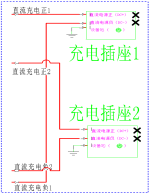
If the vehicle previously charged normally, but the trigger tripped during this charging process and the charging pile was not replaced, first confirm whether the charging port was repeatedly plugged and unplugged without closing the charging port cover promptly, causing dirt to enter the socket, resulting in corrosion and poor contact.
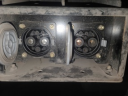
If there is dirt, clean the charging gun and charging socket, and ensure that the charging gun and charging socket covers are replaced after charging. If the charging gun or charging socket is corroded, contact the charging pile manufacturer or battery swap framework manufacturer for replacement.
If dual charging guns are charging abnormally, but a single charging gun is charging normally, it is likely that a problem with one charging gun is causing the dual charging abnormality. First, confirm whether the charging pile supports dual charging. If it does, the charging socket is damaged and needs to be replaced.
If charging stops unexpectedly during dual-charger charging, and the same problem occurs when charging with both guns individually, and the meter indicates a BMS fault, contact the power battery manufacturer. If no fault is reported, collect charging data for analysis and address the cause.
The meter indicates a Level 3 communication failure between the VCU and BMS. The meter does not display power battery values, and the vehicle is unable to connect to high voltage.
A communication failure between the VCU and BMS, and the meter does not display power battery information, is primarily due to a lack of power to the power battery system.
In the cab's power distribution box, check for damage to fuse F37. If damaged, replace it. If not, proceed to the next step.
To troubleshoot the battery swap base wiring harness, measure the continuity of the connector from the battery swap base connector to the "low-voltage control box vehicle output port" inside the frame. If there is a problem, it indicates a problem with the battery swap base's low-voltage wiring harness, and contact the manufacturer for repair.
The vehicle does not report a fault and can be driven normally. The air compressor is operating continuously and the dryer is constantly exhausting air.
Short circuit in the chassis air pump dryer wiring harness.
After removing the four-in-one cover, use a multimeter to test the high-voltage equipment. When the voltage measured by the multimeter drops to 0, confirm that the discharge is complete. Then, inspect each component. When the vehicle air pressure exceeds 10 MPa, enter the vehicle parameters to check whether the air compressor enable signal is requesting a shutdown. If not, proceed to the next step.
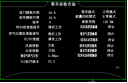
Check whether the chassis air pump dryer wiring harness sends a low-level (less than 5V) shutdown signal to the VCU when the vehicle air pressure exceeds 10 MPa. If not, check the dryer's low-voltage pins (power, signal, and ground) for water ingress and short circuits.
If the dryer's low-voltage pins are shorted to the signal, a continuous high-level signal will be output to the VCU, causing the dryer to constantly exhaust air and the air pump to operate. The shorted wiring harness needs to be repaired or replaced.